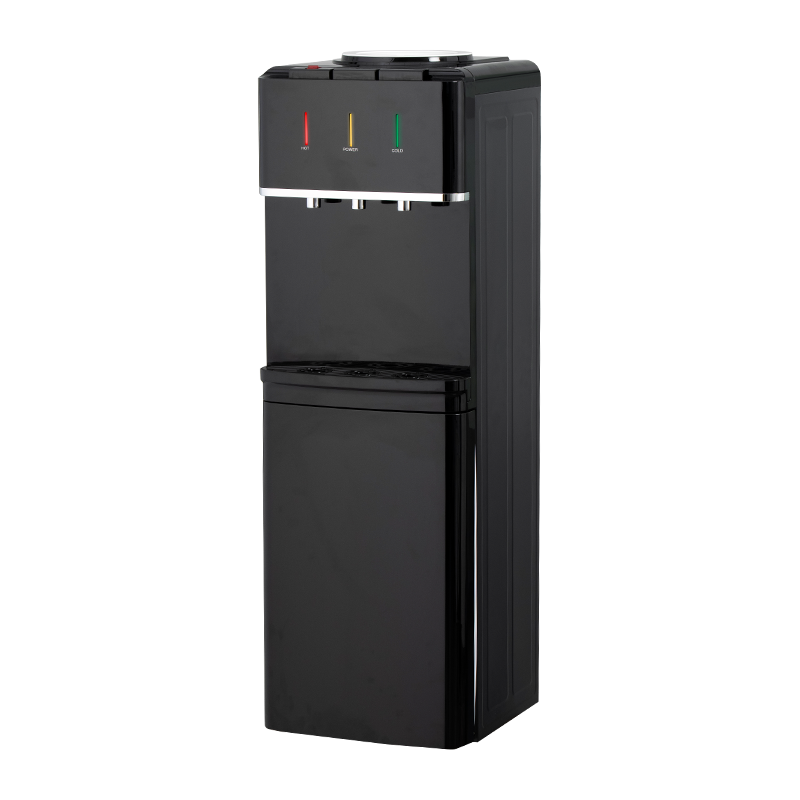
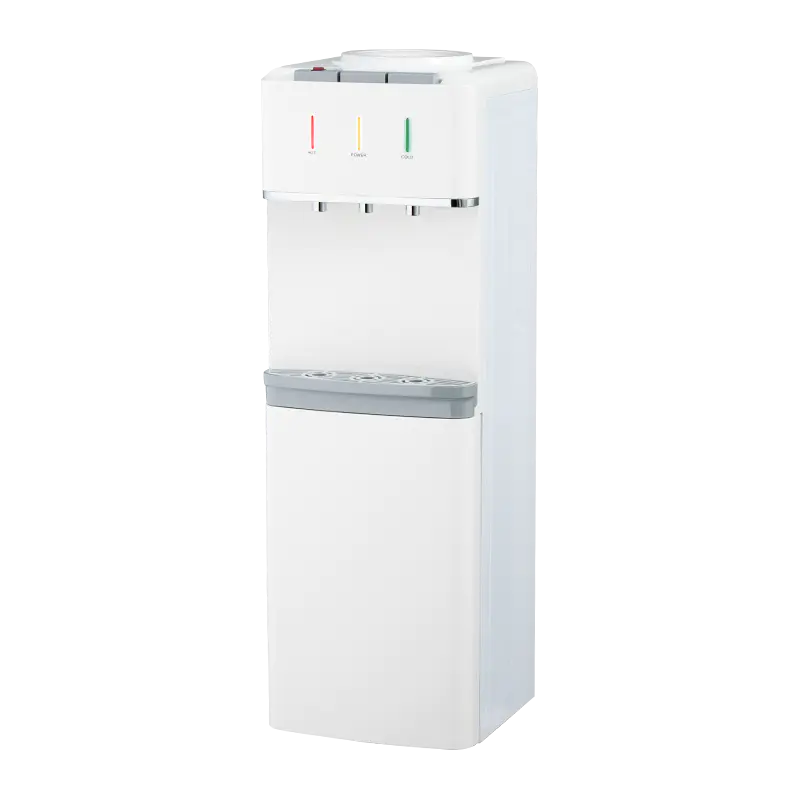
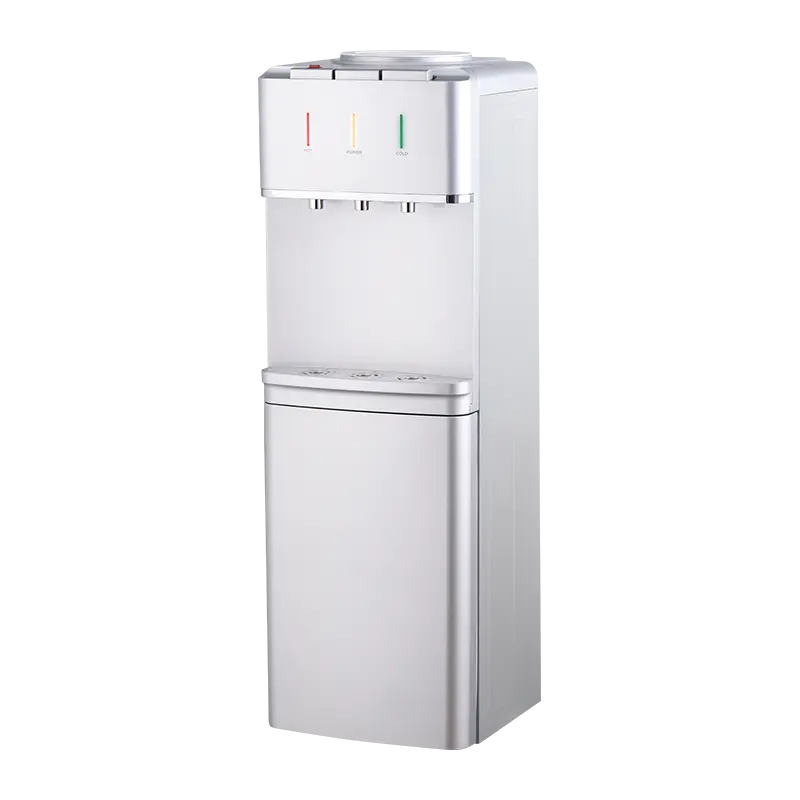
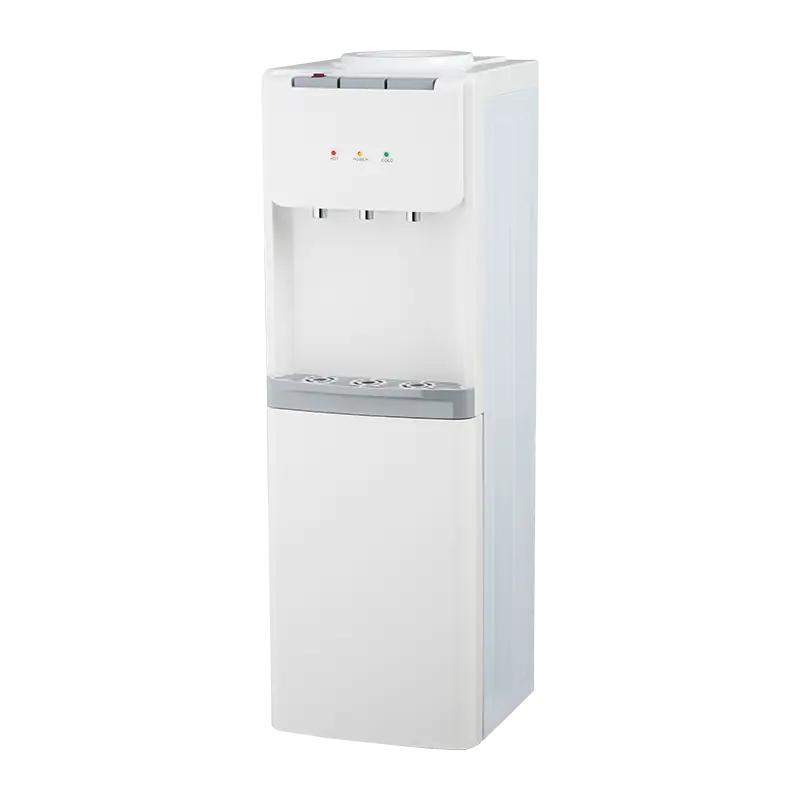
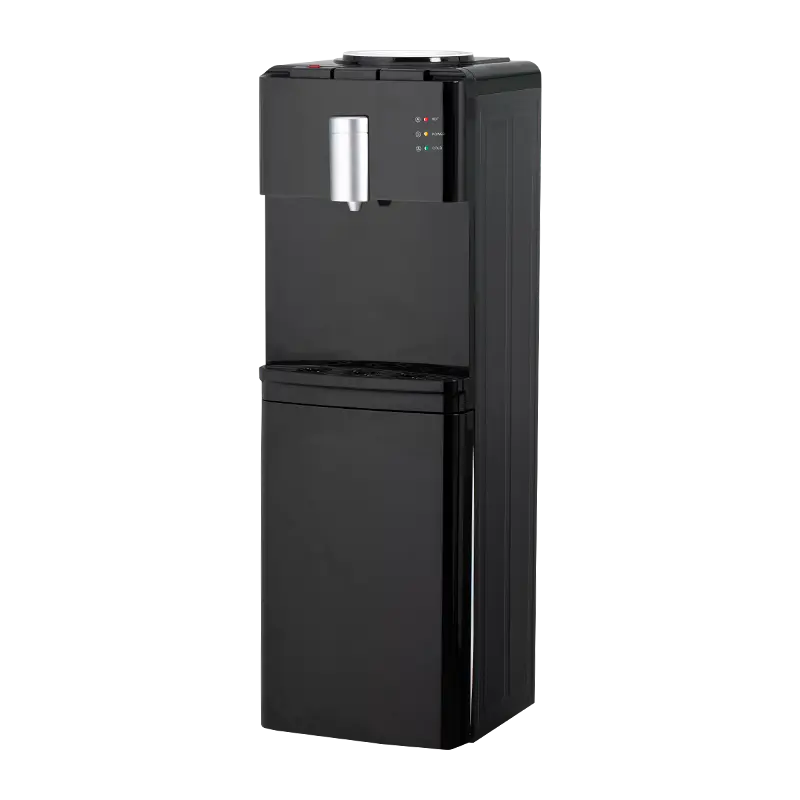
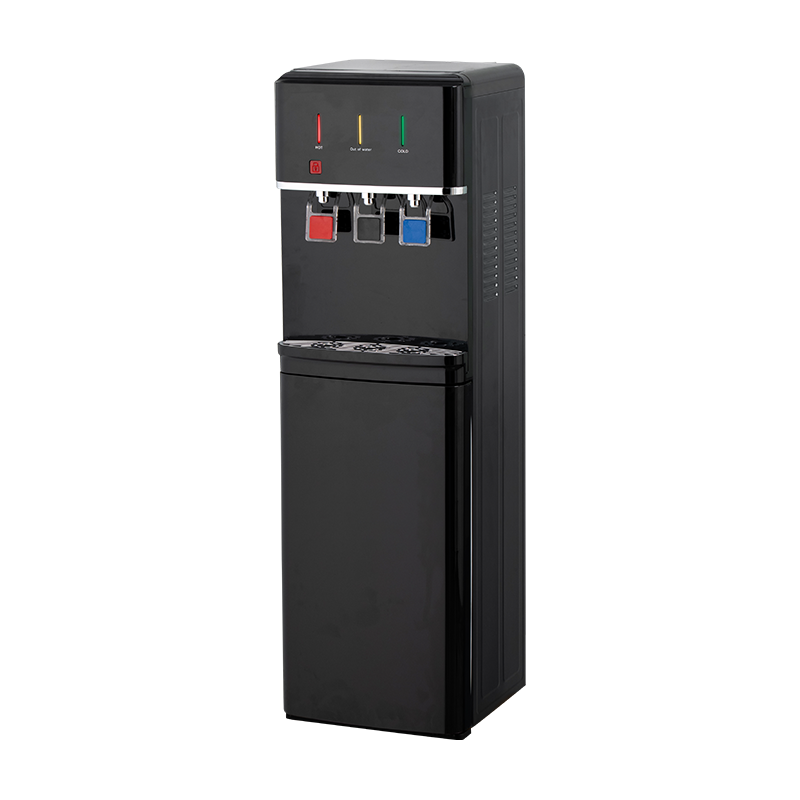
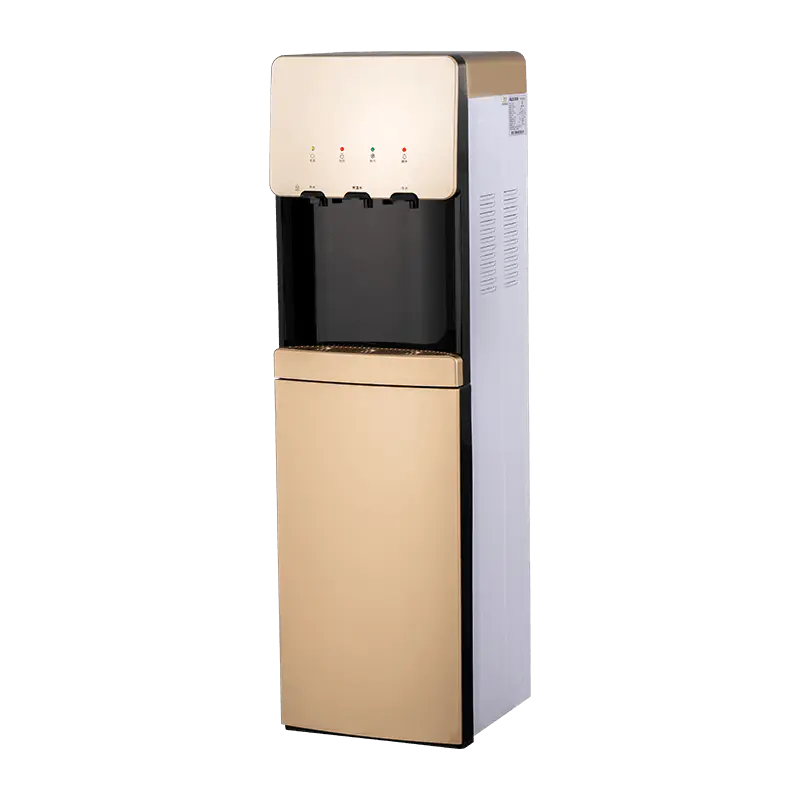
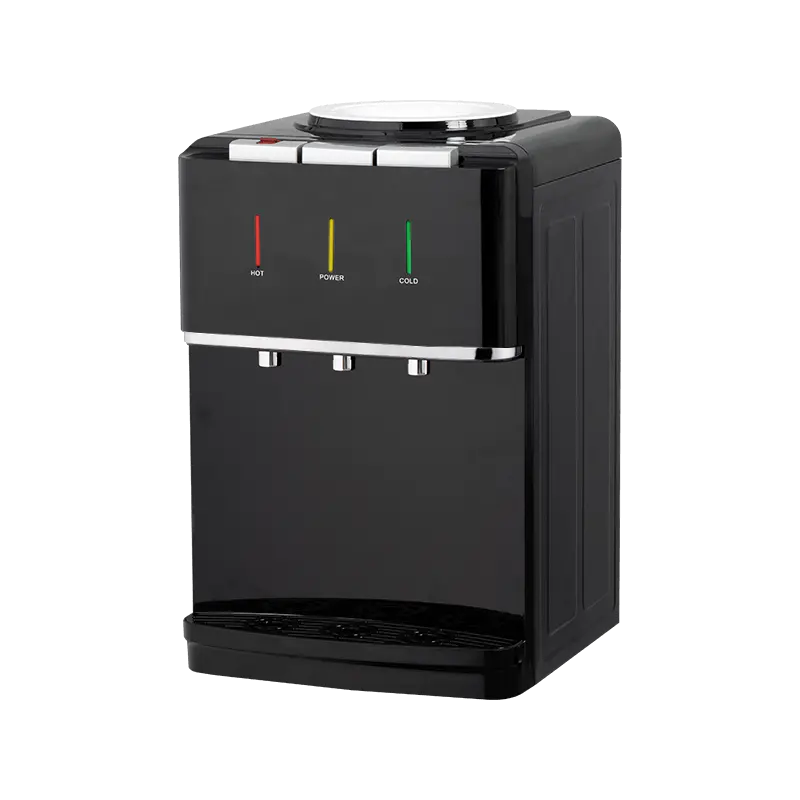
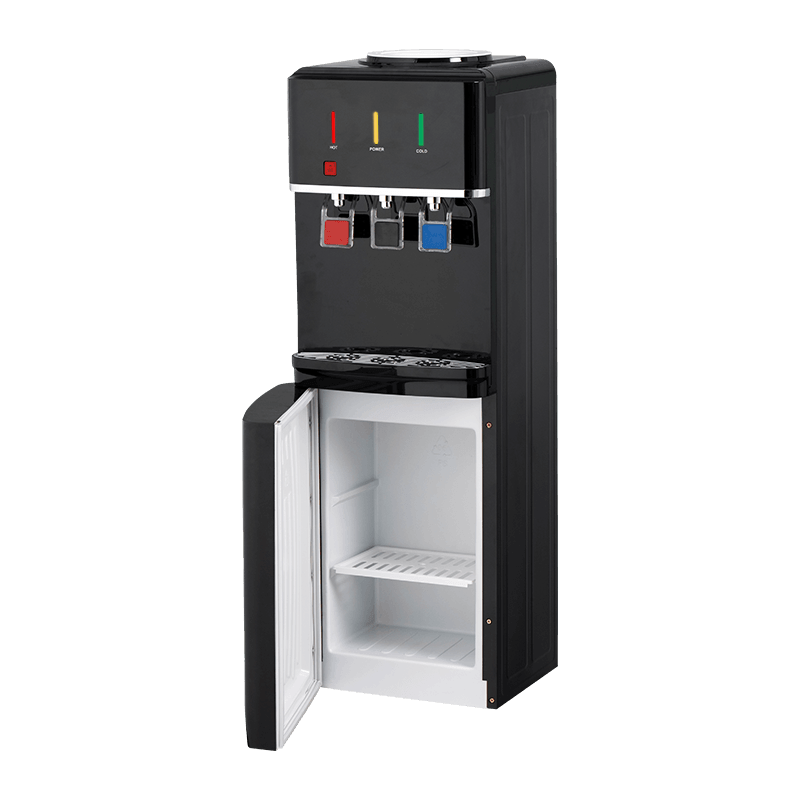
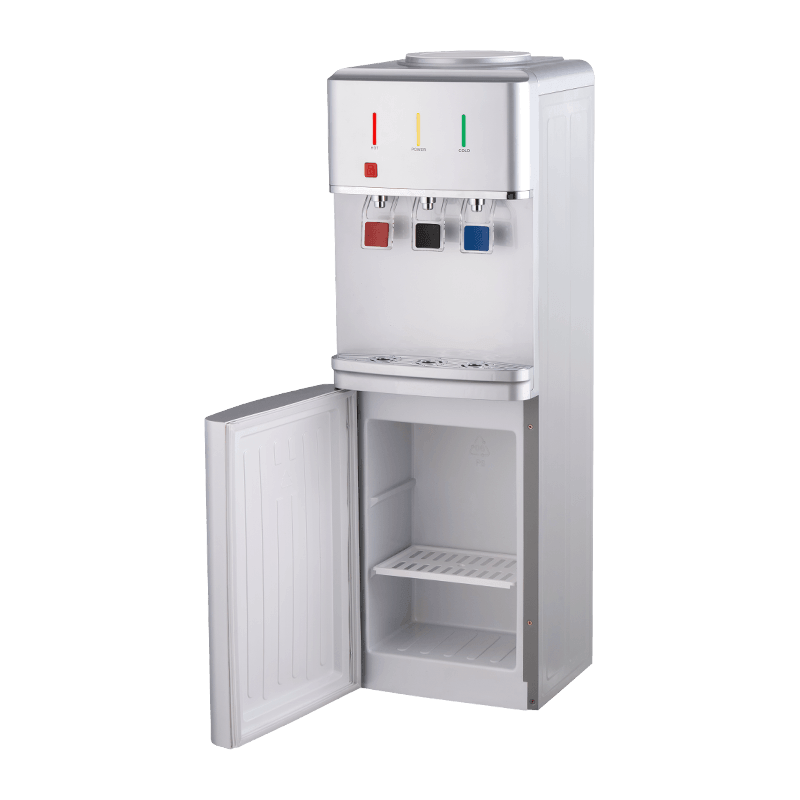
の 縦型ウォーターサーバー は、現代の家庭、オフィス環境、商業用公共スペースで最も実用的で広く採用されている機器の 1 つとして浮上しています。貴重な準備面を占有していた旧世代のカウンタートップ型ウォーター クーラーや、温度オプションが限られていた初歩的な湯沸かし器とは異なり、最新の縦型ウォーター ディスペンサーは自立型の床置き型ユニットで、高度な冷暖房技術、スペース効率の高い設計、ますますインテリジェントな機能が 1 つのまとまったアプライアンスに統合されています。その基本的な目的は依然としてシンプルであり、希望の温度のきれいな飲料水を即座に利用できるようにすることです。しかし、この目的を達成する方法は過去 10 年間で劇的に進化しました。縦型ウォーターディスペンサーの真のユニークな点は、お茶、コーヒー、またはインスタントラーメンの沸点に近い熱湯、暖かい日のリフレッシュのための冷水、そして熱くも冷たくもない人のための室温の水をすべて、床面積が 0.5 平方メートル未満の 1 台のコンパクトなユニットから供給できることです。この汎用性だけでも、電気ケトルや冷蔵庫に保管されている水差しなどの単目的家電とは異なります。
単なる利便性を超えて、縦型ウォーターディスペンサーは現代のライフスタイルのいくつかの課題に同時に対処します。複数の家族が 1 日を通して飲み物の好みが異なる家庭では、複数の家電製品を操作したり、水を温めたり冷やしたりする必要がなく、単一の縦型ユニットで全員が満足できます。従業員の生産性が水分補給レベルに直接関係するオフィス環境では、信頼できるおいしい水源があれば、頻繁に飲むことが促進され、一時的な喉の渇きを和らげるだけの甘い炭酸飲料やカフェイン入り飲料を摂取する誘惑が減ります。さらに、これらのディスペンサーの垂直方向の配置は、単に美的な選択ではなく、機能的な選択でもあります。縦型ウォーターディスペンサーは、小型のエスプレッソカップから大型のスポーツボトルまであらゆるものに対応できる高さに給水ノズルを向け、コントロールパネルを快適な目の高さに配置することにより、ユーザー、特に重いウォーターボトルを持ち上げたり、薄型ユニットから水を取り出すためにかがむのに苦労する高齢者や運動制限のあるユーザーの身体的負担を軽減します。
縦型ウォーターディスペンサーを他の水分補給ソリューションと区別するもう 1 つの特徴は、さまざまな水源への優れた適応性です。消費者は、標準的な 3 ~ 5 ガロンの水ボトルを使用できるボトル供給モデル (賃貸アパート、一時的なイベント スペース、遠隔地のオフィスなど、配管に直接アクセスできない場所に最適です) と、建物の給水に直接接続し、多段階ろ過システムを組み込んだボトルレス モデルのどちらかを選択できます。水道水の品質に対する関心が高まるにつれて、この後者のカテゴリーは近年非常に人気が高まっています。最新の縦型ウォーターディスペンサーで利用できるろ過システムは、味と匂いを改善する基本的な沈殿物フィルターや活性炭フィルターから、重金属、塩素、医薬品、マイクロプラスチックを除去する高度な逆浸透装置まで多岐にわたります。また、残留細菌やウイルスを除去する紫外線滅菌ランプが追加されることもあります。その結果、ボトルレスの縦型ウォーターディスペンサーは事実上、コンパクトな浄水プラントとなり、プラスチック廃棄物による環境負荷なしで、数分の1のコストで高級ボトル入りブランドと同等の水品質を生成します。
の safety features integrated into contemporary vertical water dispensers further enhance their uniqueness and appeal, particularly in environments where children, elderly individuals, or high volumes of public users are present. Older water cooler models were notorious for allowing unrestricted access to scalding hot water, leading to burn injuries, especially among young children who could easily reach the hot water tap. Modern vertical dispensers address this critical vulnerability through several layers of protection. The most fundamental is the child safety lock, typically a spring-loaded mechanism or a two-step activation sequence that prevents the hot water button from dispensing unless deliberately overridden by an adult. Beyond this, many models incorporate anti-tip bases that make it exceptionally difficult to knock the unit over, automatic shut-off systems that deactivate the heating element when the internal water tank runs dry to prevent dangerous overheating or fire, and leak detection sensors that immediately cut power and water supply if moisture is detected inside the chassis. For commercial applications such as schools, hospitals, and public waiting areas, some vertical dispensers also feature touchless sensor activation, where placing a cup under the nozzle triggers an infrared sensor to dispense water without any physical contact, dramatically reducing cross-contamination risks in high-traffic settings.
エネルギー効率は、縦型ウォーターディスペンサーが大幅に進歩したもう 1 つの領域であり、実際の使用状況に関係なく継続的に電力を消費する初期の常時オンのウォーター クーラーに対する一般的な批判に対処しています。従来の温水および冷水ディスペンサーは、水を目標温度に 24 時間維持する貯蔵タンクに依存していました。つまり、夜間、週末、またはオフィスの長期休業中であっても、ユニットは水を温水および冷水に保つために電力を消費し続けました。最新の縦型ウォーターディスペンサーには、この無駄を減らすためにいくつかの革新的な技術が導入されています。最も影響力のあるのは、瞬間式またはオンデマンド加熱技術の採用です。この技術では、ユーザーがお湯を要求したときにのみ作動する高出力の発熱体が使用され、予熱された水の貯留を維持するのではなく、システムを流れる水を加熱します。このアプローチでは、通常 2,000 ~ 3,000 ワットのより高い瞬間電力が必要ですが、使用ごとに発熱体が完全にオフのままであるため、1 日の総エネルギー消費量は大幅に低くなります。冷水の場合、コンプレッサーベースの冷却システムは、プレミアムモデルの効率の悪い熱電クーラーを大幅に置き換え、より迅速な温度回復と運用コストの削減を実現する一方、真空断熱温水タンクは従来の発泡断熱材よりも大幅に長く熱を保持するため、再加熱サイクルの頻度を減らします。一部の高度なモデルには、ユーザーが動作スケジュールを設定できるプログラム可能なタイマーが搭載されており、夜間や週末などの予測可能なアイドル期間中に冷暖房システムの電源を自動的に切り、最初の使用が予想される直前に通常の動作を再開します。これらの改善により、Energy Star 認定の縦型ウォーター ディスペンサーの消費電力は 1 日あたりわずか 0.5 キロワット時となり、一般的な 50 ワットの電球を 10 時間点灯させた場合よりも少なくなります。
住宅、商業、オフィス環境全体にわたる実用的なメリット
の value proposition of the vertical water dispenser varies across different usage environments, but the common thread is its ability to solve specific hydration-related pain points that alternative solutions fail to address adequately. In residential settings, particularly family homes with children, the vertical water dispenser transforms daily hydration from a chore into an effortless habit. Parents of infants quickly appreciate the ability to dispense perfectly warm water for formula preparation without waiting for a kettle to boil and then cool, a process that can take ten minutes or longer, during which a hungry baby may become increasingly distressed. For older children, having a dedicated water dispenser at an accessible height encourages self-sufficiency, allowing them to pour their own water without asking an adult for assistance or attempting to lift heavy pitchers from the refrigerator. In households where multiple family members have different beverage preferences, the vertical dispenser serves as a centralized hydration station, eliminating the kitchen clutter of separate appliances such as an electric kettle for tea, a water filter pitcher for drinking water, and a carafe stored in the refrigerator for cold water. The space-saving vertical design is particularly valuable in urban apartments where kitchen counter space is at a premium, as the dispenser can be placed against any wall or in a corner, occupying floor area that would otherwise go unused while freeing up counters for food preparation activities.
オフィス環境では、縦型ウォーターディスペンサーの利点は個人の利便性を超えて、組織の生産性、従業員の健康状態、運用コスト管理にまで及びます。研究では、体重の 1 ~ 2% の水分喪失と定義される軽度の脱水症状であっても、集中力、短期記憶、注意力、気分などの認知機能が損なわれることが一貫して証明されています。従業員が継続的な注意を必要とする知識作業に従事するオフィス環境では、魅力的な飲料水を簡単に入手できるようにすることが、勤務日中の精神的パフォーマンスをサポートするシンプルかつ効果的な介入となります。中央の休憩室または交通量の多いエリアの近くに設置された縦型ウォーター ディスペンサーは、従業員に短い水分補給休憩を取ることを奨励します。これにより、付随的な社会的交流や机から離れた短時間の物理的移動の機会も提供されます。これらはいずれも、職場の健康に良い効果があると独自に文書化されています。コストの観点から見ると、統合濾過機能を備えた建物の水道に接続されたボトルレスの縦型ウォーター ディスペンサーの設置費用は、通常、組織がボトル入りの水の配達サービスに費やす費用の数分の 1 で済みます。従業員 50 人の一般的なオフィスでは、5 ガロン ボトルを月に 20 ~ 30 本消費し、ボトルあたり 6 ~ 10 ドルのコストがかかり、ボトルの在庫に必要な保管スペースやボトルの交換にかかる労力を除き、年間約 1500 ~ 3,000 ドルの支出となります。ボトルレスの縦型ウォーターディスペンサーは、こうした定期的なコストを完全に排除し、残るのは通常年間 50 ~ 100 ドルに達する定期的なフィルター交換の費用と、冷暖房に必要な最小限の電力消費だけです。
レストラン、ホテル、フィットネス センター、診療所、教育機関などの縦型ウォーター ディスペンサーの商業用途では、住宅用や一般オフィス用のモデルよりも高いレベルの耐久性、処理能力、法規制への準拠が求められます。忙しいレストランのキッチンでは、スタッフは清掃や食事の準備のための温水と、飲み物のサービスのための冷水の両方に迅速にアクセスする必要があり、ピーク時には 1 時間あたり数十食分を必要とすることがよくあります。商用グレードの縦型ウォーター ディスペンサーは、より大きな内部タンク、より強力なコンプレッサー、および使用間の温度をより迅速に回復する高速発熱体を通じて、この需要に対応します。典型的な商用モデルでは、1 時間あたり 10 ~ 15 リットルの温水の生成と、1 時間あたり 8 ~ 12 リットルの冷水の生成が可能で、中程度の量の食品サービスの運営をサポートするには十分です。診療所、病院、歯科医院などの医療現場では、衛生要件が最も重要であるため、多くの施設では、タッチレスセンサー作動、外部の破片によって汚染されない密閉された内部水路、細菌の増殖を防ぐために貯留水を継続的に処理する紫外線滅菌ランプを備えた縦型ウォーターディスペンサーを指定しています。フィットネス センターやジムにはさまざまな要件があり、主に、激しい運動後に喉が渇いた利用者を満たすための高い冷水出力と、時折重量を落としたり、ダンベルをぶつけたりしても損傷することなく耐えることができる耐久性と耐衝撃構造を中心としています。ホテルでは、各客室にボトル入り飲料水を個別に提供することに伴う環境への影響とコストを削減しながら、ゲストのエクスペリエンスを向上させる無料のアメニティとして、ロビーエリア、フィットネスルーム、ビジネスセンターに縦型ウォーターディスペンサーを設置することの価値がますます認識されています。
経済的および環境への配慮により広範な採用が促進される
の accelerating shift toward vertical water dispensers cannot be fully understood without examining the powerful economic and environmental forces that are reshaping consumer preferences and organizational purchasing decisions. On the economic front, the total cost of ownership comparison between a quality vertical water dispenser and continued reliance on single-use plastic bottled water is stark and compelling. For a household of four that currently purchases an average of two cases of bottled water per week, with each case containing twenty-four half-liter bottles at a typical retail price of five to seven dollars, the annual expenditure ranges from five hundred twenty to seven hundred twenty-eight dollars, not including the environmental disposal costs or the storage space required to accommodate multiple cases. Even this figure underestimates the true cost, because many households also purchase separate beverages such as bottled juices, sodas, and sports drinks, which further inflate the beverage budget. A one-time investment in a quality bottle-less vertical water dispenser, ranging from two hundred to six hundred dollars depending on features and filtration complexity, combined with annual filter replacement costs of fifty to one hundred dollars and electricity consumption of thirty to sixty dollars, yields a first-year total of approximately two hundred eighty to seven hundred sixty dollars, and subsequent annual costs of only eighty to one hundred sixty dollars. In other words, a household that switches from bottled water to a bottle-less vertical dispenser can expect to recover its initial investment within twelve to eighteen months, after which it enjoys essentially free drinking water aside from minimal maintenance expenses. For organizations with dozens or hundreds of employees, the economic case is even more compelling, with potential annual savings ranging from several thousand to tens of thousands of dollars depending on scale.
の environmental case for vertical water dispensers is equally powerful and resonates with increasingly environmentally conscious consumers and corporations alike. The global plastic pollution crisis has reached alarming proportions, with an estimated eight million metric tons of plastic entering the oceans annually, where it fragments into microplastics that contaminate marine ecosystems and eventually enter the human food chain. Single-use plastic water bottles are among the most visible and avoidable contributors to this crisis. The production of the plastic bottles themselves requires petroleum, a fossil fuel, and the transportation of bottled water from often distant sources to retail locations generates additional carbon emissions. A single vertical water dispenser, particularly a bottle-less model with built-in filtration, can eliminate thousands of plastic bottles over its service life. A typical office vertical dispenser used by fifty employees, each of whom might otherwise consume two plastic bottles per workday, prevents the use of approximately twenty-five thousand plastic bottles annually. Over a five-year service life, that single appliance prevents more than one hundred thousand plastic bottles from being manufactured, transported, filled, consumed, and disposed of, with corresponding reductions in petroleum consumption, carbon emissions, and landfill or ocean pollution. Organizations increasingly cite such reductions in their Environmental, Social, and Governance reports, using the adoption of bottle-less hydration solutions as tangible evidence of their commitment to sustainability goals. Even bottle-fed vertical water dispensers, which still require the use of large reusable five-gallon bottles, represent a substantial improvement over single-use bottles, as each reusable bottle replaces approximately three hundred individual half-liter bottles over its service life.
縦型ウォーターディスペンサーは、プラスチック削減の直接的な利点を超えて、エネルギー効率の向上と輸送関連の排出物の削減を通じて、より広範な環境目標にも貢献します。最も効率的な最新の装置は、冷暖房を合わせて年間 100 キロワット時未満しか消費しません。これは、約 200 個のペットボトルを製造するのに必要なエネルギーに相当します。対照的に、これら 200 個のボトルの製造、充填、輸送には、ボトル詰めプロセス自体で消費される水は言うまでもなく、その数倍のエネルギー消費が伴います。通常、ボトル入りの水を 1 リットル製造するには 3 ~ 5 リットルの水が必要です。ボトルレス縦型ディスペンサーは、ボトル入りの水に特有の無駄な包装比を持たずに、自治体の給水から直接水を処理して分配するため、水効率が劇的に優れています。したがって、環境に配慮した消費者や組織にとって、縦型ウォーターディスペンサーを設置するという選択は、単に個人の利便性やコスト削減の問題ではなく、プラスチック廃棄物の削減、エネルギーと水資源の節約、毎日の水分補給による環境負荷の軽減に積極的に貢献することになります。経済的利己心と環境責任とのこの一致は、縦型ウォーターディスペンサーが個人家庭から多国籍企業に至るあらゆる市場セグメントでこれほど急速に普及している理由、そして現代の生活に不可欠な水分補給ソリューションとしての縦型ウォーターサーバーの役割が今後数年にわたって増大し続ける理由を説明しています。